Keynote by Associate Professor Bi Foua Claude Alain Gohi explores how the zero-tariff policy can deepen China-Africa economic and trade cooperation
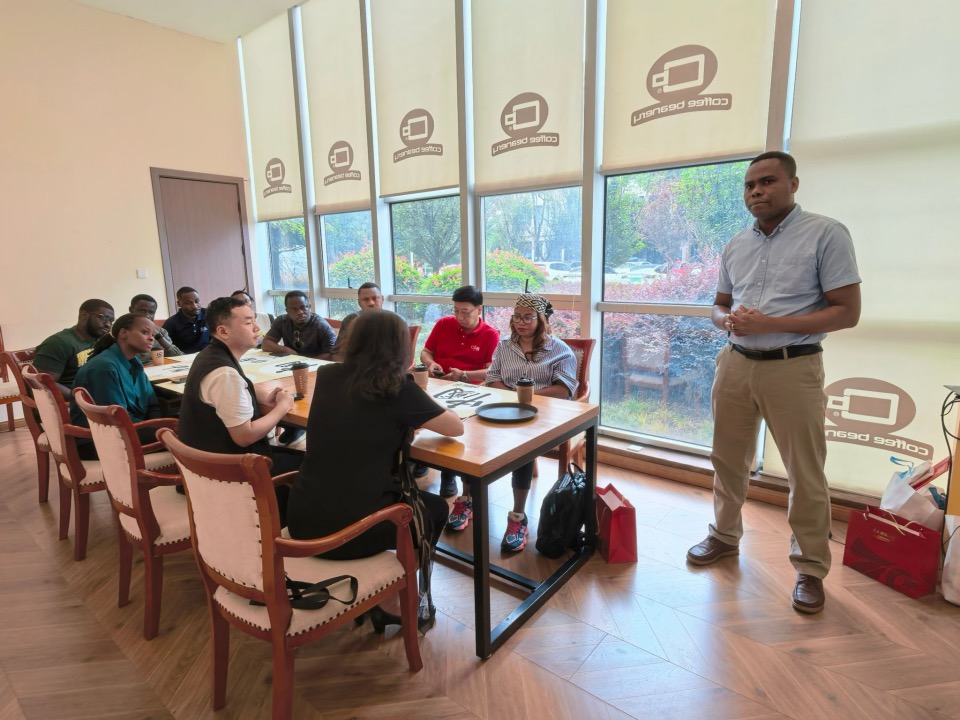
Figure 1: Associate Professor Bi Foua Claude Alain Gohi delivers the keynote lecture as faculty and students listen attentively.
CHENGDU, China — July 1, 2026 — The Center for West African Studies of the University of Electronic Science and Technology of China (UESTC), together with its School of Public Affairs and Administration, held a special seminar for African international students focusing on China’s full implementation of its zero-tariff policy for Africa, combining a keynote lecture with in-depth discussion.
The keynote was delivered by Bi Foua Claude Alain Gohi, a Côte d’Ivoire national and Associate Professor at Panzhihua University, who was introduced as a high-level talent under Sichuan Province’s talent-recruitment program. In a lecture titled “Leveraging the Opportunity of the Zero-Tariff Policy: A Local Perspective and Pathways for Deepening China-Africa Economic and Trade Cooperation — The China-Côte d’Ivoire Case,” Professor Gohi drew on China-Côte d’Ivoire economic and trade cooperation as a case study. He examined the development opportunities created by China’s zero-tariff policy for Africa, analyzed the trade-expansion dividends for West Africa’s pillar industries in agriculture, forestry, and mining, and gave a candid assessment of real-world constraints such as infrastructure shortfalls and incomplete industrial chains, offering pathways for industrial upgrading and closer economic and trade cooperation from a local perspective. He noted that the two-year zero-tariff window applies to Africa’s more developed economies, such as Ghana, while the least-developed countries are not subject to the same time limit.
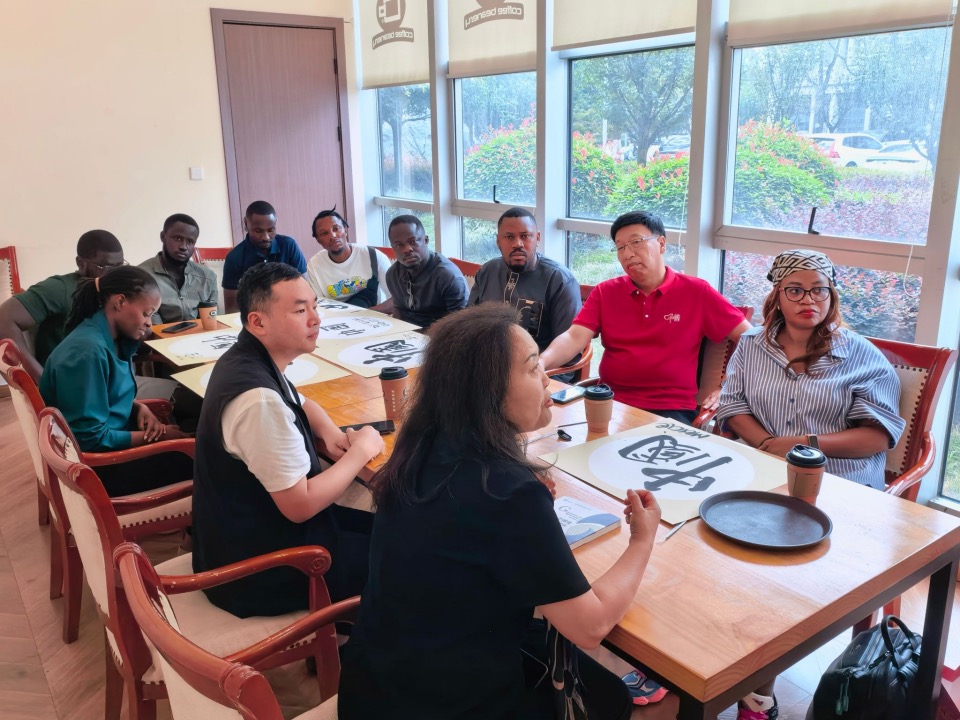
Figure 2: The seminar in progress, with faculty and students discussing China’s zero-tariff policy for Africa.
During the discussion, faculty members drew on the lens of public administration to help students sharpen their research directions. West African students from Ghana and Senegal took an active part in the exchange, saying they would ground their work in their home countries’ national conditions, systematically map the strengths and practical challenges in implementing the zero-tariff policy, and complete dedicated research reports.
The seminar integrated frontier policy research with the academic development of international students, building a platform for regular exchange between Chinese and African faculty and students. It was chaired by Professor Zhao Shurong, Director of the Center for West African Studies; Professor Zheng Yutao, Party Secretary of the School of Public Affairs and Administration, and Associate Professor Kuang Yalin also attended, together with a number of West African students studying in China. Going forward, the Center for West African Studies will continue to partner with the School to hold a series of exchanges on key themes in China-Africa cooperation, helping international students deepen their area and country studies.
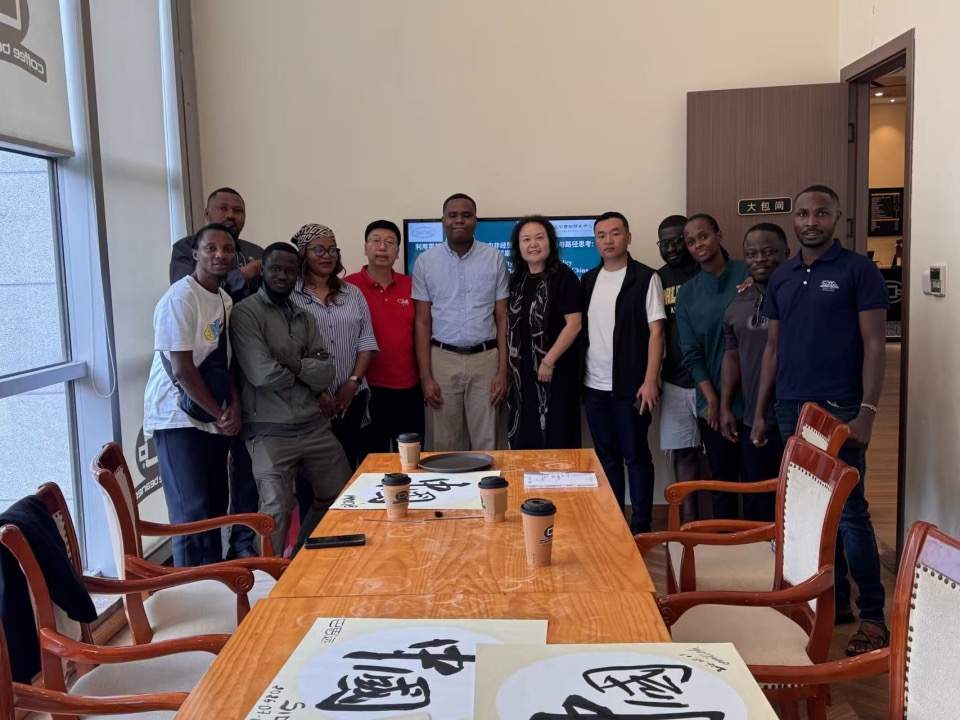
Figure 3: Participating faculty and students at the seminar.
About the Center for West African Studies of UESTC
The Center for West African Studies of the University of Electronic Science and Technology of China (UESTC) supports China’s engagement with Africa and advances international cooperation in area and country studies. It carries out academic collaboration, joint talent training, and digital-health cooperation — including the “Healthy Ghana” programme — across Ghana, Benin, Togo, and other West African countries.
Issued by the Center for West African Studies of UESTC.
Edited by Ruiqi Huang






 Address:Qingshui River Campus: No. 2006 West source road, Chengdu high tech Zone (West District)
 Code: 611731
 E-mail: cwasuestc@163.com
 Tel: 0086-028-61831756/61831706
 Fax: 0086-028-61831756/61831706