2026 China‑Africa Year of People‑to‑People Exchanges Series, Center for West African Studies of UESTC
Source: School of Public Administration and Center for West African Studies of UESTC
On October 2, the 2026 Ghana Governance Training Program concluded at the Shahe Campus of the University of Electronic
Science and Technology of China (UESTC). Fifteen participants from Ghanaian universities and local public administration
departments completed the program. Jointly organized by the Center for West African Studies of UESTC and the UESTC Base for
Sichuan Provincial Cadre Education and Training, the program was part of the Center's 2026 China‑Africa Year of
People‑to‑People Exchanges series. Through lectures, field visits, and discussions, the program focused on the
modernization of public governance and promoted mutual learning between China and Ghana in public governance and talent
development.
The year 2026 marks the 70th anniversary of the start of diplomatic relations between China and African countries and has
been designated the China‑Africa Year of People‑to‑People Exchanges. The program aimed to implement the spirit of the
congratulatory letter sent by President Xi Jinping to the opening ceremony of the Year. Building on UESTC's educational
cooperation with Ghanaian universities, it connected China's public governance practices with the learning needs of
Ghanaian participants, providing a platform for deeper mutual understanding and cooperation.
Opening Session and Cooperation in Talent Development
The opening ceremony was held at UESTC's Shahe Campus on September 24. Zheng Yutao, Secretary of the CPC Committee of the
School of Public Administration and Deputy Director of the UESTC Base for Sichuan Provincial Cadre Education and Training,
delivered remarks. He introduced UESTC's cooperation with Ghanaian universities, reviewed progress in jointly established
research platforms, and outlined the program design. He noted that the program focused on sharing China's development
practices and expressed hope that both sides would deepen mutual understanding through discussion and draw useful lessons
for public governance in light of their respective circumstances.
Samuel Kwaku Bonsu, Rector of the Ghana Institute of Management and Public Administration (GIMPA) and head of the Ghanaian
delegation, attended the opening ceremony.
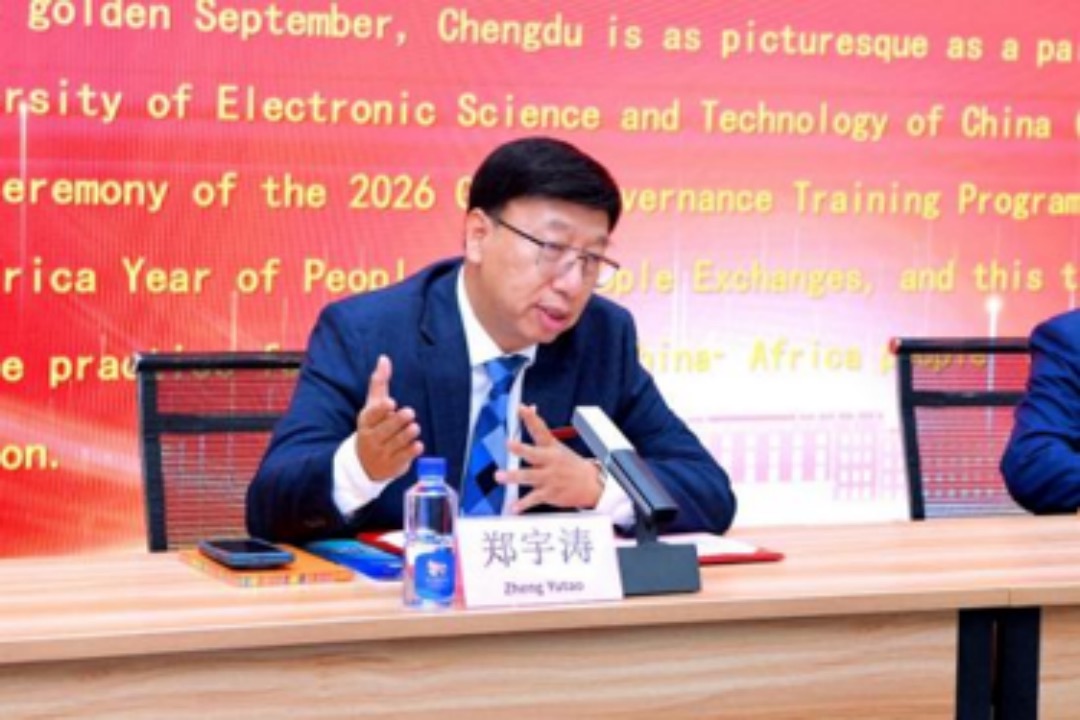
Zheng Yutao delivers remarks at the opening ceremony
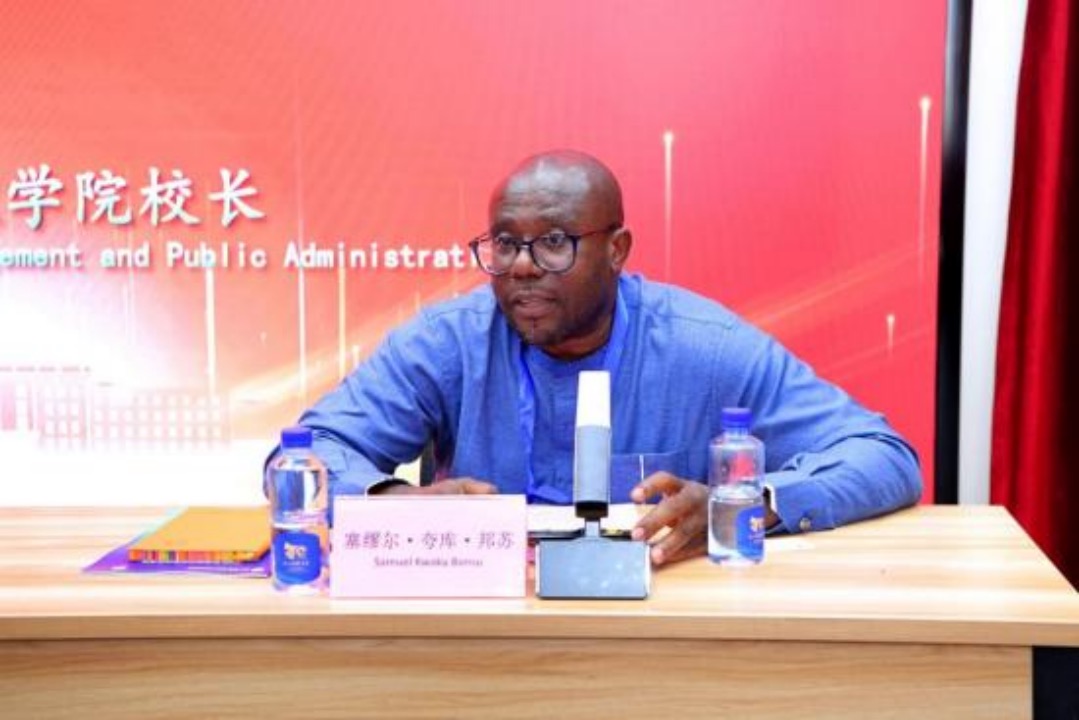
Samuel Kwaku Bonsu attends the opening ceremony
Liu Quansheng, President of the Sichuan Provincial People's Association for Friendship with Foreign Countries, delivered
concluding remarks at the opening ceremony. From the perspective of strengthening local exchanges between China and Ghana,
he introduced Sichuan's economic and social development, science and education, culture, and opening‑up. He noted that
the program was a concrete step in implementing the outcomes of the Forum on China‑Africa Cooperation and promoting mutual
understanding between the two peoples. He encouraged participants to engage deeply, build friendships, and serve as
ambassadors of China‑Ghana friendship.
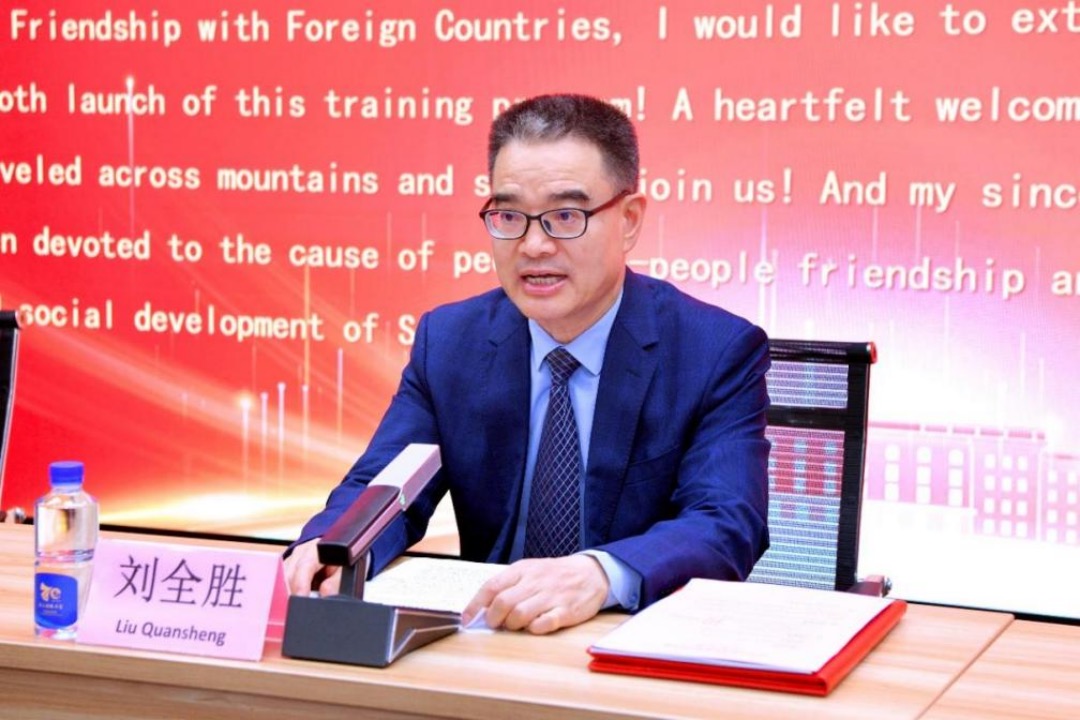
Liu Quansheng delivers remarks at the opening ceremony
The opening ceremony was moderated by Professor Zhao Shurong, Director of the Center for West African Studies of UESTC and
a faculty member of the School of Public Administration, UESTC.
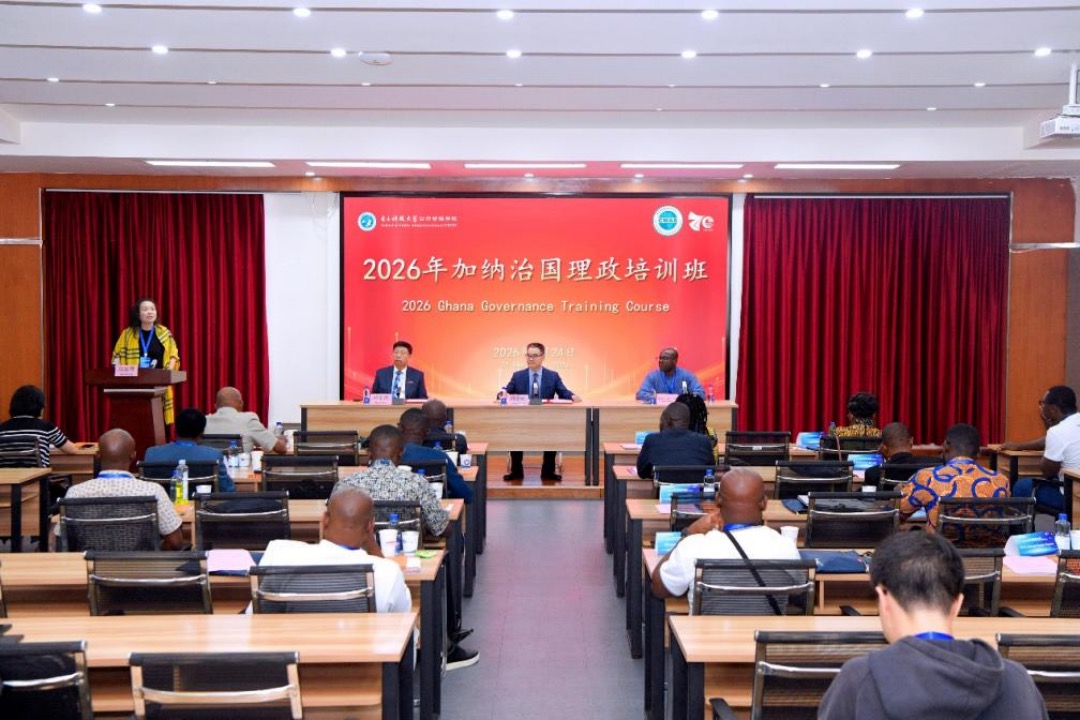
Zhao Shurong moderates the opening ceremony
During the opening ceremony, the School of Public Administration of UESTC and GIMPA signed an agreement on a joint
training program for master's students, laying a foundation for deeper cooperation in talent development.
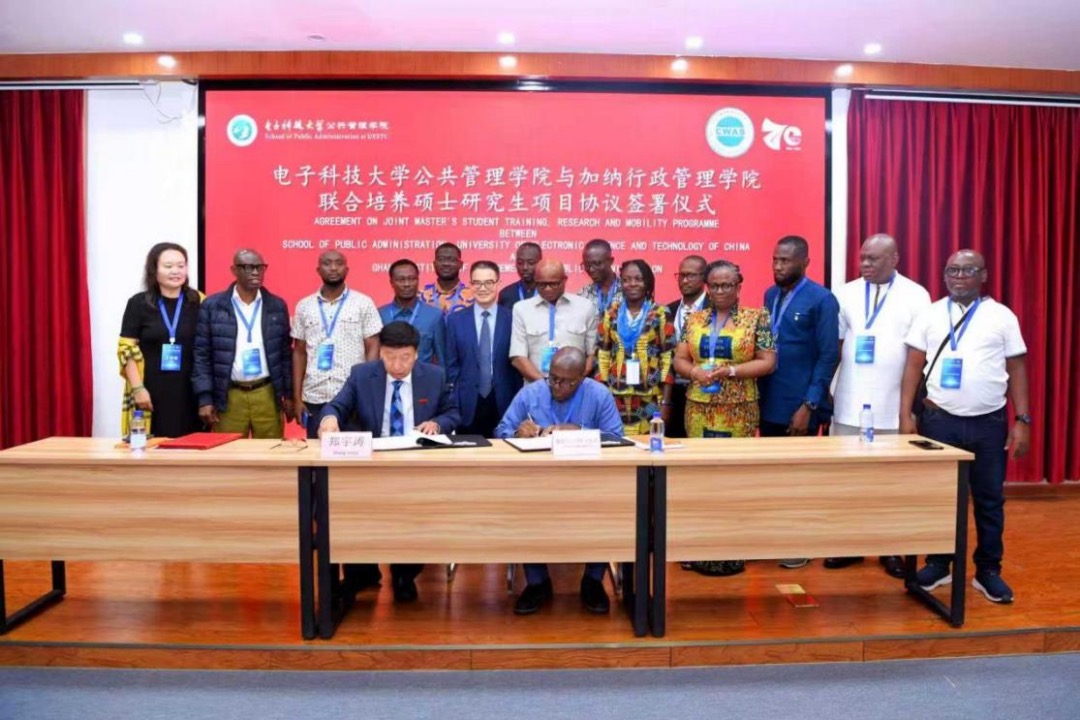
Signing of the agreement on the joint training program for master's students
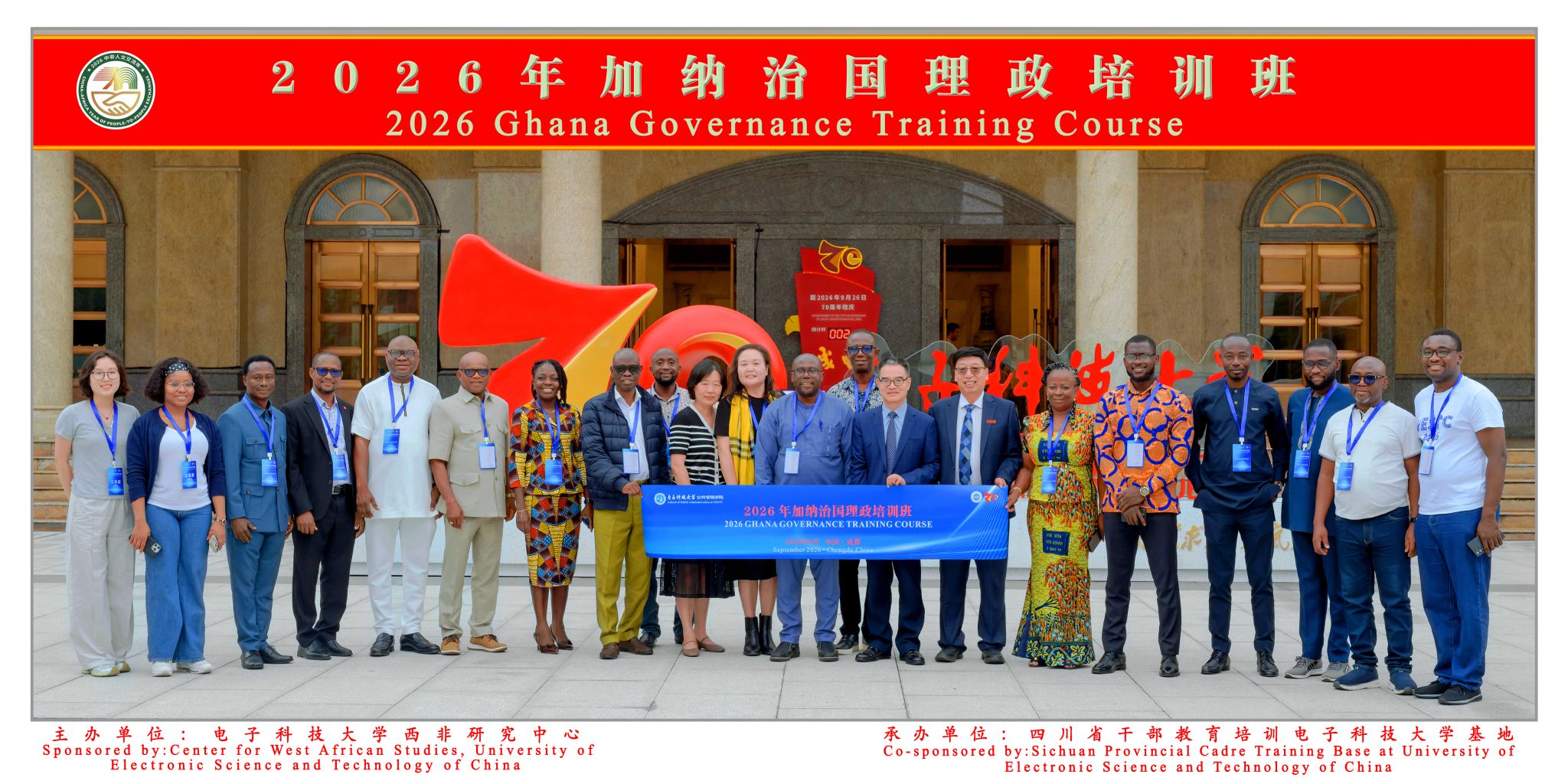
Chinese and Ghanaian representatives pose for a group photo after the opening ceremony
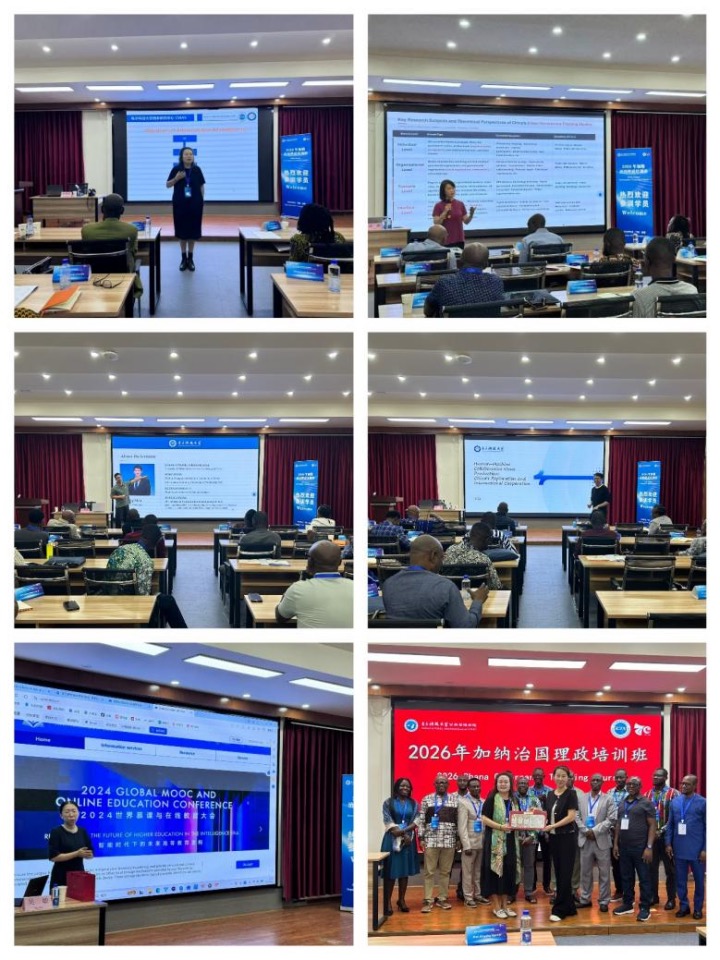
Lectures and Classroom Discussions
The program comprised three modules: global and regional governance, digital and smart governance, and urban‑rural
industrial development. Experts and scholars from UESTC, Capital University of Economics and Business, Sichuan University,
and other institutions delivered lectures and led discussions on issues of public governance and local development.
Professor Zhao Shurong of UESTC delivered lectures on China's Reform and Opening‑Up and National Governance: Experience
and Implications for China‑Africa Cooperation and Global Public Governance and Regional Development Cooperation in Africa.
She introduced rural reform practices such as the household responsibility system and rural collective property rights reform,
examined the links between reform and opening‑up and grassroots governance, and discussed practical pathways for China‑Africa
cooperation in regional governance.
Professor Dong Ziming of UESTC delivered a lecture on Digital Communication and Local Governance, using grassroots cases to explain
the use of digital communication tools in government transparency, public communication, and social governance. Professor Pan Na of
Capital University of Economics and Business delivered a lecture series on Smart City Governance Reform, sharing China's experience
in smart city development and discussing institutional adaptation and practical applications in urban digital transformation.
Associate Professor Jiang Hai of UESTC delivered a lecture on Human‑Machine Collaborative Media Production, introducing models of
human‑technology collaboration in information production and communication in the digital era and discussing the impact of media
technologies on public governance. Associate Professor Men Lixiang of UESTC gave a presentation on Digital Public Governance,
explaining the role of digital technologies in government functions and public service delivery, as well as the opportunities and
challenges of digital governance.
Professor Wu Min of Sichuan University delivered a lecture on Digital Governance Empowering Public Education Services: China's
Experience, China‑Africa Cooperation, and Localization in Ghana. She introduced Chinese practices in using digital technologies
to improve public education services and explored possible pathways for China‑Africa cooperation adapted to Ghana's local context.
The program combined theory with case studies. Participants discussed practical issues in public administration and urban‑rural
development in Ghana with the lecturers and considered the conditions under which different experiences could be adapted and applied.
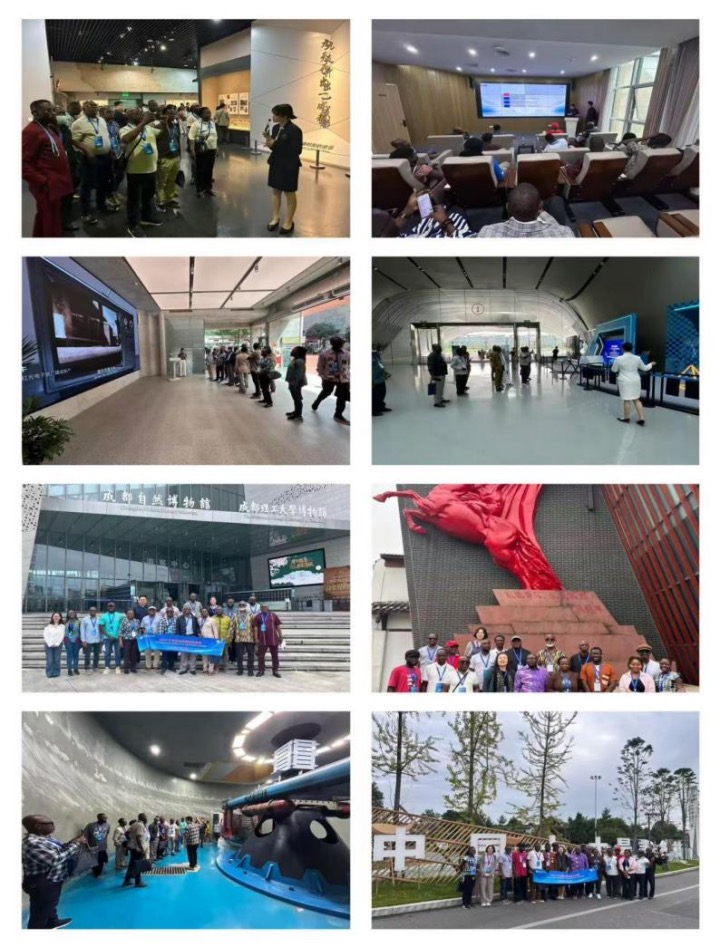
Field Study on Urban‑Rural Development and Grassroots Governance
During the program, participants combined classroom learning with field observation to better understand local development practices
in China from the perspectives of technological innovation, cultural heritage, ecological conservation, and community services. Jiang
Heng of the Sichuan Provincial People's Association for Friendship with Foreign Countries assisted with the organization and
coordination of field activities. Relevant departments of Chengdu University of Technology provided coordination, reception, and guided
interpretation for the visit to the Chengdu Natural History Museum.
Participants visited the Chengdu Science Fiction Museum, the UESTC Electronic Science and Technology Museum and Library, the Chengdu
Natural History Museum (Museum of Chengdu University of Technology), community governance sites in Chenghua District, and the Chengdu
Museum. These visits provided insights into technological innovation, museum development, natural science, community services, grassroots
governance, Bashu history and culture, and urban development.
Field study on rural revitalization was conducted in Zhanqi Village and Qinggangshu Village in Pidu District. In Zhanqi Village,
participants visited local exhibition and cultural venues to learn about rural collective property rights reform under Party leadership,
integrated development of agriculture, culture and tourism, and the preservation of intangible cultural heritage. In Qinggangshu Village,
they observed the conservation of western Sichuan forest settlements and wetland ecosystems, and learned how local communities use ecological
resources to develop rural industries and increase residents' incomes.
The field study connected classroom discussions with local practice. Drawing on rural development in Ghana, participants exchanged views on
resource utilization, rural industries, and grassroots governance, gaining a deeper understanding of the conditions required to adapt
different governance experiences.
Successful Conclusion and Continued Cooperation
The closing ceremony was held on October 2, with Zheng Yutao and Samuel Kwaku Bonsu in attendance. Zheng congratulated the participants on
completing the program and noted that the end of the program did not mark the end of exchanges. He expressed hope that, through the Center
for West African Studies of UESTC, both sides would remain connected in areas such as digital governance, public administration, and
urban‑rural development, and deepen cooperation through online seminars, academic visits, and experience sharing.
At the closing ceremony, participants received certificates of completion. The program also expressed appreciation to the lecturers,
volunteers, alumni involved in support work, and staff of the UESTC Base for Sichuan Provincial Cadre Education and Training. As the program
spanned the Mid‑Autumn Festival and National Day holiday period, staff members continued to provide course coordination, accommodation,
transportation, and field‑study support to ensure its smooth delivery.
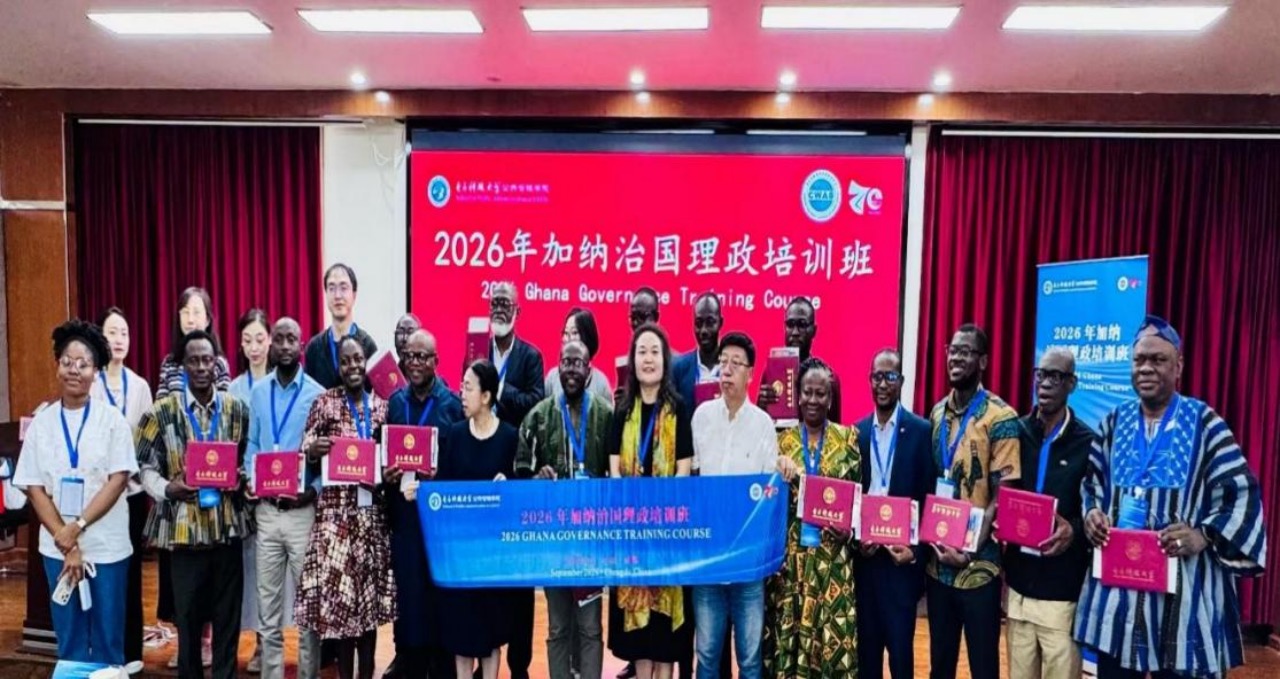
Group photo at the closing ceremony
The program received strong support from Tang Hong, a UESTC alumnus, UESTC Overseas Ambassador for Africa, Executive Advisor to the Advisory
Committee of the Center for West African Studies of UESTC, and President of the Ghana Chinese Chamber of Commerce.
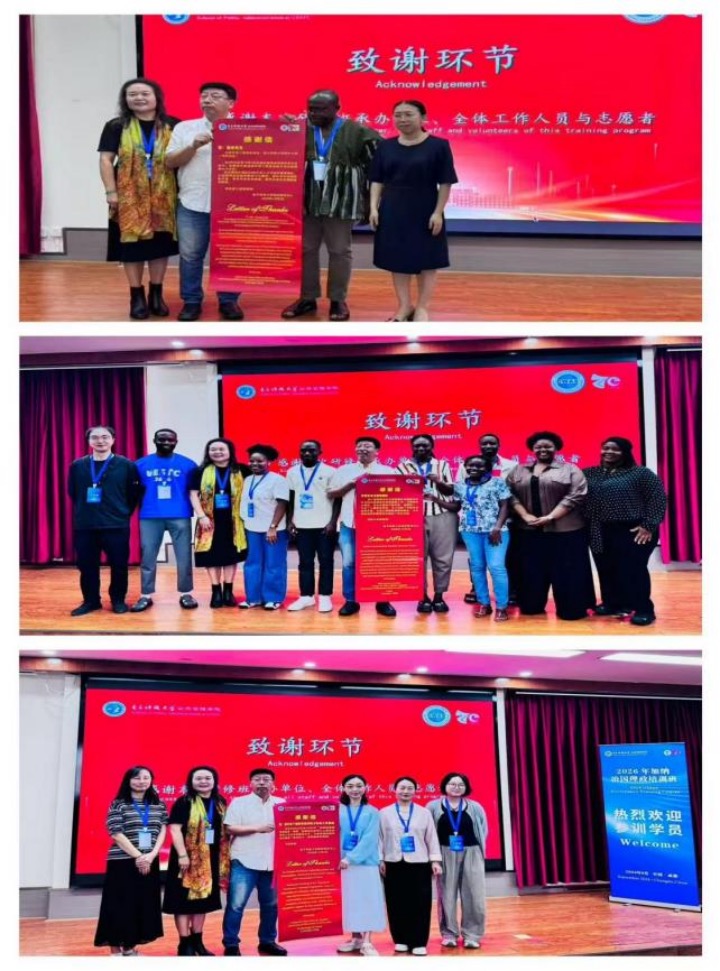
Acknowledgement session at the closing ceremony
From classroom exchanges to field observation, the program strengthened mutual understanding between Chinese experts and Ghanaian participants
and expanded channels for sharing experience in public governance and cooperation in talent development. By organizing the program and
connecting university teaching with local practice, the Center for West African Studies of UESTC further strengthened ties with its Ghanaian
partners and gained valuable experience for future educational and people‑to‑people exchanges.
Article by: Huang Ruiqi
Photography by: Xu Peifeng and Luo Hongquan
Contributed by: Center for West African Studies of UESTC
Edited by Xu Qianwen






 Address:Qingshui River Campus: No. 2006 West source road, Chengdu high tech Zone (West District)
 Code: 611731
 E-mail: cwasuestc@163.com
 Tel: 0086-028-61831756/61831706
 Fax: 0086-028-61831756/61831706